
On April 25, 2013, the FDA held its first day of public workshops to discuss the impact of CFS/ME
symptoms on patients and their caregivers. The purpose of the workshop was to gain insight into developing safe and effective treatments. The first day of the workshop consisted of two panels, the first of which was devoted to hearing from patients and patient representatives about symptoms, and the second to treatments and therapies used by patients.
The workshop was broadcast live over the internet, and questions could be emailed during the presentations, allowing those who could not be there in person a chance to participate. This meeting was an unprecedented opportunity for patients to speak directly to the FDA, the CDC, and even pharmaceutical company representatives about their concerns. After listening to these presentations you may feel inspired to contribute your own comment. It is not too late. Comments can still be added to the
docket until August 2nd, 2013.
The full agenda of the two-day workshop can be viewed HERE.
You can read a summary of the second day (April 26th) morning presentations HERE.
You can read a summary of the second day (April 26th) afternoon presentations HERE.
Additional coverage of the April 25 workshops can be found on Phoenix Rising Part I HERE, and Part II HERE.
 |
| Sandra Kweder |
Video 1: Welcome - Overview of FDA’s Patient-Focused Drug Development Initiative [33 min:16 sec]
The first segment of the workshop outlined the purpose of the meeting, and stressed the FDA’s commitment to developing safe and effective treatments. Sandra Kweder, Deputy Director in the Office of Planning and Informatics at FDA introduced Theresa Mullin, Director, office of Planning and Informatics, Center for Drug Evaluation and Research and Sara Eggers, PHD, Office of Planning and Informatics, FDA. Each gave presentations about what the meetings would cover, how to define CFS/ME, and stressed the importance of patient input. One of the most noteworthy aspects of this discussion was the acknowledgement of CFS/ME as an organic disease, rather than as a psychiatric condition. This marks a major milestone in the federal government’s thinking towards CFS/ME. (
VIDEO) (
Transcript)
Video 2: Topic: Disease Symptoms and Daily Impacts That Matter Most to Patients [68:32]
Discussion questions: What are the most significant symptoms that you experience resulting from your condition? What are the most negative impacts on your daily life that result from your condition and its symptoms?
In this segment, the panelists gave short, and often moving, presentations about the symptoms and effects of CFS/ME on their lives. (
VIDEO) (
Transcript)
Patient Dr. Jon Kaiser, a medical doctor in the San Francisco area who fell ill with CFS/ME in 1987, discussed how the illness has affected his ability to work. He also spoke about the limitations that CFS/ME has placed on his social and family life. His presentation specifically addressed the impact of CFS/ME on working patients.
[timestamp 00:57 – 05:40]
Patient Joseph Landson, a former military linguist and grad student in the DC area who has been ill for eight years, described how cognitive impairment and post-exertional malaise (PEM) have affected his ability to complete his degree and to maintain a career.
[timestamp 06:00 – 09:28]
Representative Denise Lopez-Majano described how the illness has affected her sons, Alexander and
[timestamp 09:40 – 14:05]
 |
| Alexander and Matthew |
Matthew, who are both housebound and require 24/7 care. She described a gamut of symptoms affecting her sons: impaired executive function, slowed processing speed, inability to focus, or engage in physical activity. She addressed PEM (post-exertional malaise), which, from her observations, can be triggered by minimal mental exertion (only 20 minutes). In her sons’ cases “malaise” is typified by a collapse that can last for weeks, and may not have an identifiable trigger. Most pharmaceuticals have not helped. From her sons’ perspective cognitive function is the symptom they would most like to improve. In the words of one of her sons, “What’s made with the mind lasts longer.”
 |
| Kim McCleary |
Representative Kim McCleary, CEO of the CFIDS Association of America, based her comments on responses to a survey conducted by the association. The average age of onset of respondents was between 19 and 35, and the average duration of the illness was 18 years. Of 1300 responses, the five main concerns expressed by patients were, 1) impact on daily life, and fear of increased risk of death and disease, 2) loss of friends and career, 3) lack of effective treatments, 4) not being able to work because of symptoms, and 5) social isolation. [timestamp 14:20 to 19:36]
Patient Charlotte Von Salis, a lawyer who has been ill 23 years, and whose only remission was due to antiviral treatments, talked about neurocognitive impairment, difficulty reading and writing, and sensitivity to light and overstimulation. She also talked about PEM, the loss of her career as a lawyer, the profound limitations of activity, and the experience of being housebound.
[timestamp 19:53 – 23:57]
Question from FDA Member Dr. Kweder: “Mr. Landson, is your confusion a cognitive confusion or a fog?”
Answer from Mr. Landson: Lack of recognition of written words.
Question from FDA member Dr. Michele concerning PEM. “Secondary to cognitive and physical exertion, is one a greater trigger than the other, and are symptoms different?”
Answer from various panel members: Cognitive exertion causes a crash that "makes me feel as if my head is going to explode." A physical crash is an exacerbation of everything. A physical exertion crash produces sore throat, in what is essentially an inflammatory response. Interestingly, Dr. Kaiser reported that anti-inflammatories can help to stave off a crash.
The conversation then moved to the floor. Matina Nicholson talked about cognitive function limitations. Dr. Janet Smith talked about difficulty in decision making. Mary gave examples of a CFS crash, and pointed out how much speaking in public costs the people who were giving presentations (applause). Chris Williams talked about the inability to multi-task. Tasha talked about the difference in crashes caused by mental and physical exertion.
Video 3: Discussion Topic: Patients’ Perspective on Treatment Approaches [127:58]
Discussion questions:
What treatments are you currently using to help treat your condition or its symptoms? How well does your current treatment regimen treat the most significant symptoms of your disease?
The panelists were Mary Dimmock, Tasha Kelemen, Matina Nicholson, Mary Schweitzer, and Amanda Simpson. (
VIDEO)
Representative Mary Dimmock’s son has had CFS/ME since contracting giardia in Asia. He is currently bedbound. Antibiotics had some effect, but it was temporary. Kineret has produced a slight improvement in cognitive function. His doctor has prescribed Rituximab.
Patient Tasha Kelemen fell ill after a tropical illness in Africa, and has been treated in Belgium, the UK, and the US. She reported having taken “everything.” As a patient in the PACE trials, Tasha stressed the importance of not adopting the UK treatment protocol. Specifically, she stated that GET was not a cure. Antiviral treatment has helped, but pacing is her most effective therapy. She was emphatic that the UK approach is “harmful, ridiculous and offensive” and exhorted the US not to follow its example.
Patient Matina Nicholson was in senior management at a top pharmaceutical company. She takes Adderall but still sleeps excessively. She is administered Meyer’s cocktails, takes supplements, and takes Ambien to sleep.
 |
| Mary Schweitzer |
Patient Mary Schweitzer, a tenured history professor, reported on Ampligen, and what her life was like without it: “Without Ampligen I don’t have a life.”
Patient Amanda Simpson came down with the “flu” in Texas. After many months she was finally diagnosed with CFS/ME. She has taken an aggressive approach. Amanda takes 16 pills a day. She takes Savella for pain management, which, she reported, is the only reason she was not bedridden, as well as Tylenol. GcMAF has led to an increase in functionality, and acupuncture has helped sleep and pain.
OPEN COMMENTS [timestamp 71:35]
Patient Anita Patton commented on subgroups and asked for another Ampligen trial. Anita is an Ampligen responder. [timestamp 75:12 - 77:09]
Representative Dr. Janet Smith, of the Simmaron Foundation, spoke for patient Courtney Alexander. She made a plea for looser FDA approval rules (such as those applied to Alzheimer's disease) for CFS/ME drugs.
[timestamp 77:35 - 78: 31]
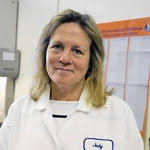
Researcher Dr. Judy Mikovits stressed that identifying a cause is not necessary for developing
[timestamp 78:46-81:40]
 |
| Judy Mikovits |
treatments. She drew parallels with MS, Parkinson's and lupus, none of which have a known cause, and all of which share similar immunological abnormalities with CFS/ME. Dr. Mikovits stated that immune-modulating treatments such as dimethyl fumarate and Rituxan [rituximab] have already been approved by the FDA, and could be used for CFS/ME. "The absence of a causative agent should not leave this field floundering any longer. It's a new era for CFS/ME treatment."
 |
| Dr. Derek Enlander |
Physician Derek Enlander founded the ME/CFS Center at Mt. Sinai Hospital in New York. Their first project is to prove whether GET [graded exercise therapy] is an appropriate treatment for this disease. "We will actually prove or disprove the PACE idea." The ME/CFS center has ongoing research on PEM and is looking at all cytokines and immune markers. Dr. Eric Schadt, chair of Genetics and Genomic Sciences at Mt. Sinai, is currently working with Dr. Enlander on assembling genome studies on ME/CFS patients. They already have 39 pages of genome studies.
[timestamp 82:08 – 84:05]
Caregiver Gisela Morales Barreto, psychologist, spoke about the emotionally draining experience of watching a loved one suffer with CFS/ME. As a cancer survivor, she pointed out that many treatments were available to her, but this is not the case with ME/CFS. She made a direct plea to the FDA: "If you approve any drug - Ampligen would be nice - it will open the door for pharmaceutical companies."
[timestamp 84:25 – 87:35]
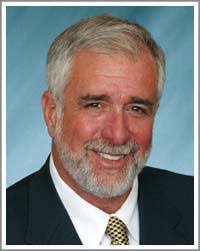
Executive Vice Chairman of Hemispherx BioPharma Thomas Equels offered some interesting history
[timestamp 88:02 – 92:00]
 |
| Thomas Equels |
about the company's involvement with CFS. Thirty years ago FDA asked Hemispherx to team up with Dr. Peterson and Dr. Lapp to treat the "Tahoe flu." They conducted a trial of Ampligen on a woman who made a remarkable recovery, and then treated twelve more patients with success. He remarked that it has been a long difficult journey for a company as small as his. Mr. Equels concluded with: “Now we’ve expended a great deal of time and money to get where we are today and I just want to say we’re prepared to enter into a real partnership with the FDA, with the clinicians, and with the patients to bring relief for these people who so desperately need it.”
 |
| Dr. Dan Peterson |
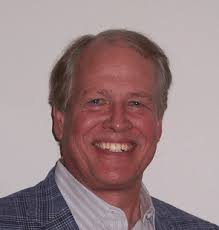
Caregiver Dr. Dan Peterson spoke as the representative of 9,000 patients over the past thirty years. He began with a direct plea to the FDA on behalf of the patients, their families, and their physicians: "I implore this esteemed gathering and committee to not only devise but to execute a therapeutic strategy, which is much needed." He stated that the CDC has identified one million people in this country suffering from the disorder, with an estimated cost to our country of nine billion dollars a year. A diagnostic marker would yield a company 250 million a year - a therapy probably in the billions of dollars. Yet, twenty-five years later, we have no FDA-approved drug or therapy. Over this twenty-five-year period of therapeutic stagnation there have been thousands of peer-reviewed articles addressing pathogenesis. Worldwide, the number one immunological finding is low NK function. Abnormal brain MRI and SPECT scans are common, and low VO2 on stress tests is universal. Regarding treatment, Dr. Peterson said: “Symptomatic therapy, I think, is useful in quality of life, but I have not seen it return patients to full functional conditions, physical or cognitive. I think targeted immunological therapy has the possibility to do that.” There are worldwide consortia and collaborations with multiple primary care clinics that are ready and willing to do pilot projects, Phase I, II and III clinical trials, and more... "So I implore again this committee to take some action [...] to develop safe and effective therapies."
[timestamp 92:25 – 95:45]
Advocate Eileen Holderman questioned the use of the term CFS in this conference, as opposed to ME. She stated that in 1988, the CDC renamed this disease Chronic Fatigue Syndrome, which is unscientific and dismissive, because it includes an empirical definition which requires just one symptom: fatigue. The results of this faulty definition have been muddy research, the inability to replicate findings, no universal biomarkers, no drug development, bad media and press, skewed public perception, and neglect and harm inflicted on patients who truly have ME. “The solution is that all the government agencies, the scientific medical, academic, legal advocate and patient communities must come together and adopt the Canadian Consensus Criteria and to dismantle the use of CFS and move research and treatment forward to help the over one million Americans with this disease.”
[timestamp 96:20 – 98:33]
Researcher Dr. James Baraniuk of Georgetown University Hospital began by saying, "It's not all doom and gloom." His research group has started publishing the results of their studies from Gulf War Illness patients who also meet the criteria of Chronic Fatigue Syndrome. They have identified three separate dimensions of exercise-induced FMRI changes that they believe can be applied to CFS.The simple message is that all of the subjective criteria used in CFS/ME can be abandoned in favor of objective measurements. “We are going to have objective diseases that will end up in the Harrison textbook of medicine.” Baraniuk's group has identified a problem in a white matter tract of the brain that deals with fatigue and the valuation of pain. This tract also connects with the insula, which maintains homeostasis, as well as connecting to areas that deal with working memory, and to dorsal and ventral networks that deal with attention and focus. Given the distinct nature of the brain abnormalities found in CFS/ME patients, Dr. Baraniuk does not feel that the heterogeneity of CFS/ME poses an insolvable problem.
[timestamp 98:40 – 101:45]
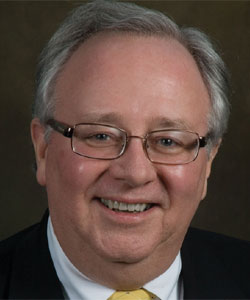
Physician Charles Lapp has treated patients with CFS since 1985, and has used Ampligen since 1988.
[timestamp 102:14 – 104:12]
 |
| Dr. Charles Lapp |
He reported using Ampligen with great success - 50% of his patients have responded very well to Ampligen and roughly 30% have had significant improvement. In all the time he has used Ampligen. he has not seen any serious side effects. He compared Ampligen to other new drugs that have been brought into the field, like AZT for AIDS and interferon for MS. Once they were approved, many other players and pharmaceutical companies came into the field and opened up treatment for these two diseases. “We hope that Ampligen will do that for Chronic Fatigue Syndrome.”
Dr. Steven Lempert gave compelling evidence for the effectiveness of Ampligen in treating a subgroup of CFS/ME patients with active HHV-6 infections. He cited research by Dr. Ablashi regarding Ampligen's
in vitro ability to inhibit HHV-6 by 46% to 98%. He stated that the
in vitro activity of Ampligen translates clinically into
in vivo effectiveness. Mary Schweitzer, who was positive for HHV-6A before Ampligen, was negative when tested on three occasions while on Ampligen. Dr. Lempert suggested that Ampligen be transferred to the FDA antiviral division and re-evaluated now, rather than wait another ten to twenty years.
[timestamp 104:20 – 106:15]
Patient Dr. Joan Grobstein has had ME for fourteen years. She brought up several important issues for the FDA to keep in mind. In terms of defining patient population, she strongly suggested the adoption of the Canadian Consensus Criteria for all studies. The validation of biomarkers is a priority as there are already measurable abnormalities. She stated that it is important to treat symptoms as well as the underlying cause of ME. It is also possible to treat associated infections, even if the infection is not the sole cause of the disease. “It’s very likely that multiple agents will have to be used concomitantly to treat this multi-system disease.” Outcome measures must reflect the impact of ME on patients' lives. "The FDA should demonstrate a sense of great urgency to evaluate therapies for ME."
[timestamp 106:38 – 108:40]
Patient Jeannette Burmeister urged the FDA to play a more proactive role in working with Hemispherx to put Ampligen on an accelerated track for approval. "At the Ampligen FDA Advisory Committee meeting, the FDA stated that there is no path for Ampligen’s approval under any fast-track program. No explanation was given. In contrast, the FDA has recently developed new guidelines for an accelerated-approval process for Alzheimer’s drugs for patients who are not even sick yet! Why the drastically different standard, I wonder? Looking back at the approval of AZT as the first drug to treat HIV and AIDS, it becomes clear that the FDA does indeed have discretion to adopt looser rules if the circumstances warrant it. At the end of last year, the FDA approved—under an accelerated approval program—Sirturo, a drug to treat tuberculosis that is five times more likely to kill patients than the standard drug treatment for the disease without proof of increased efficacy. I am not convinced that the FDA’s hands are indeed bound when it comes to an accelerated approval of Ampligen. Instead, it seems that an unfortunate double standard applied by the FDA to ME and Ampligen compared to other diseases and drugs has Ampligen headed straight towards the cliff, as Hemispherx is running out of money and the drug is going away, potentially forever."
[timestamp 108:52 – 110:46]
 |
| Mindy Kitei |
Patient Mindy Kitei is a science reporter and blogger at CFS Central. In 1994, she wrote an investigative piece for
Philadelphia Magazine called “The AIDS Drug No One Can Have,” about the experimental drug Ampligen. She stated that much of the data on this disease is based on studying patients using the wrong criteria. She stated categorically that the CDC and NIH are not studying patients with CFS/ME. They are not studying patients who meet the Canadian or International Consensus Criteria, but are rather studying patients based on the Fukuda or Empirical criteria. The Fukuda and revised Fukuda as well as the Oxford criteria are not accurate, yet CDC continues to use these definitions. Dr. Leonard Jason has shown in published studies that CDC, in employing the Fukuda definition, is studying people with major depressive disorder. "That's like doing an HIV trial and none of the people are HIV positive." As a result of studying the wrong cohort, doctors are misinformed. She recalled that Dr. Lisa Corbin tells her patients, “Monday is for mending, Tuesday is for ironing… Imagine giving this hokey advice to patients with HIV. ME patients need treatment not patronizing bromide." Five of the patients Mindy interviewed in 1994 have since died. One was a close friend of hers; three were in their forties and fifties. “Do you really think that that these patients would be alive if only they had done their mending on Monday?”
[timestamp 111:16 – 113:52]
Owner of Hyperion Biotechnology, Inc.
Dr. John Kalns is working on an application to measure fatigue using saliva. The US army has been interested in their work because fatigue is a major problem with US soldiers. They recently did a small study with archived saliva from CFS patients. "Why I'm here is to pose a question: I need spit. I want to get that saliva." He believes their technology may have a lot of application in drug development.
[timestamp 114:00 – 116:40]
Patient Dianne Lewis is a licensed certified social worker and clinical therapist who suffers from ME. She attended the workshop to say, as a professional, that this disease does not benefit from CBT. The stigma and discrimination of this disease is uncalled for. "Not having medical parity means we are nonexistent." She says the doctors in her hospital don’t understand ME, and respond to her queries with, "We don’t treat that disease here.” She described her medical interventions as a "mockery." It was only when she brought the results of studies with Dr. Peterson and Dr. Lapp that they took her seriously and prescribed medications to deal with her symptoms.
[timestamp 116:52 – 120:55]
This article first appeared on ProHealth as "FDA's CFS/ME Drug Development Workshop: Day One."


